How to Tell If Your Tree Needs Tree Removal or Can Be Saved
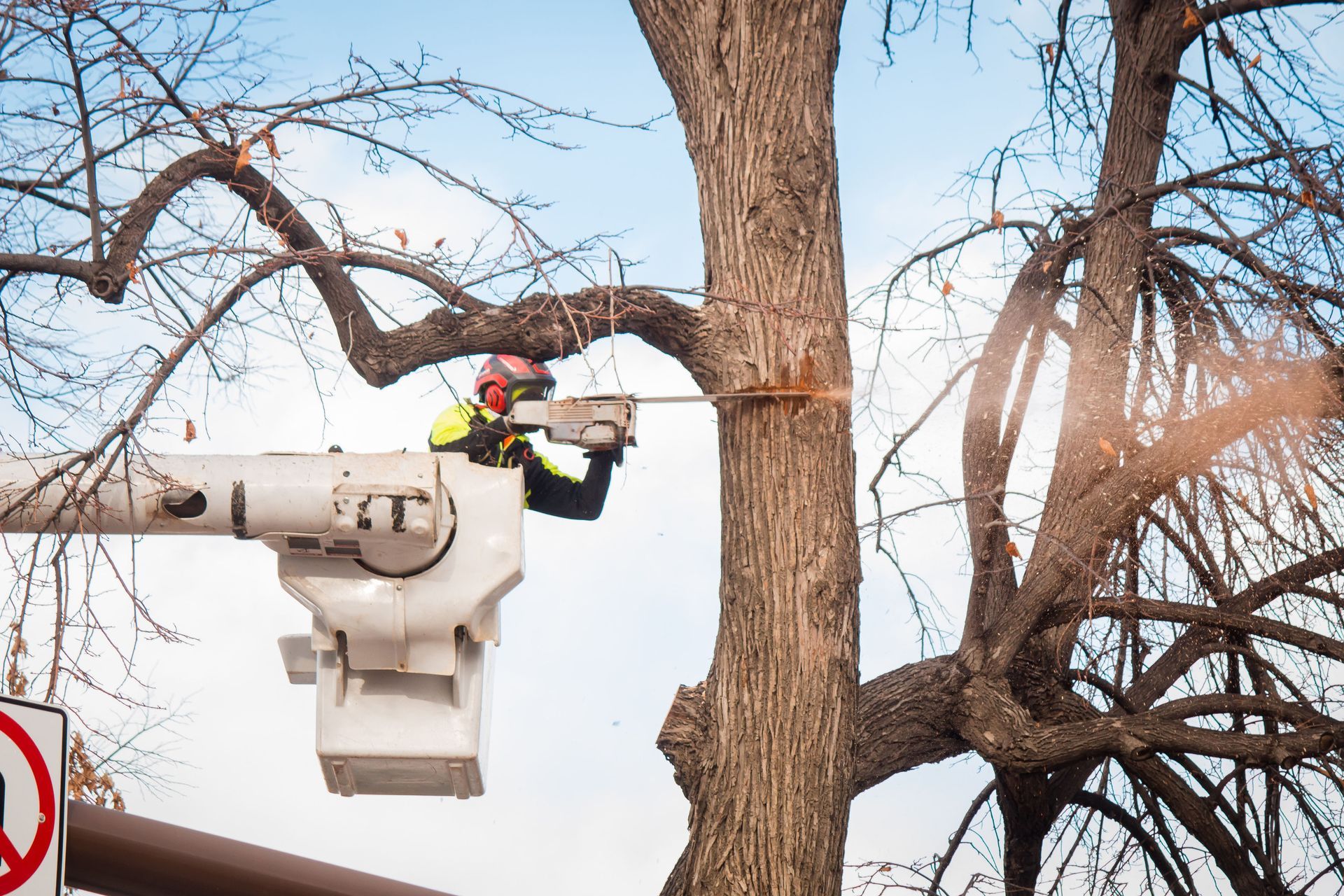
Knowing when a tree needs to be removed versus when it can be saved is one of the most important decisions a property owner can face. Getting it wrong can mean unnecessary tree removal costs or, worse, leaving a hazardous tree standing. In Fort Collins, CO, where cottonwoods, ash, and other native species are a valued part of the landscape, understanding the warning signs can help you protect both your property and your trees. Tree Removal in Fort Collins, CO, is sometimes unavoidable, but a certified arborist can often identify whether treatment or trimming may extend a tree's life before that step becomes necessary.
Signs a Tree May Be Beyond Saving
A tree with structural failure is usually a strong candidate for removal. When more than half of a tree's canopy is dead, bark is falling away in large sections, or the trunk shows deep cracks or hollow sections, recovery may not be realistic. Root damage that causes significant leaning typically points toward removal rather than treatment.
Signs a tree may need to come down:
- Large sections of dead or missing bark on the main trunk.
- A significant lean that developed suddenly after a storm.
- Fungal growth at the base, which can indicate internal decay.
- Multiple large dead branches throughout the upper canopy.
- Roots that are visibly cracked, heaving, or severed.
When Can a Tree Be Saved?
A tree can often be saved when damage is limited to one area and the root system remains healthy. Isolated limb loss, treatable pest infestations, or nutrient deficiencies caught early may respond well to professional Tree Health Services. Colorado's clay soils and unpredictable weather can stress trees in ways that look severe but are manageable with the right care plan.
Signs a tree may still be worth treating:
- Fewer than half of the branches showing dieback.
- A pest or disease diagnosis with a known, effective treatment.
- Healthy new growth still visible on some branches.
- Structural issues limited to one limb or one side of the canopy.
- Soil compaction or poor nutrition that can be corrected through deep root fertilization.
What About Trees Near Structures?
Location matters a great deal. A tree that might otherwise be treatable can become a removal candidate if it poses a direct risk to your home, power lines, or neighboring property. In Fort Collins, CO, wind events can push a compromised tree over quickly, so proximity to structures should always factor into the decision.
Can an Arborist Always Tell Right Away?
Not always. Some conditions, like internal decay, are not visible from the outside. A qualified arborist may use tools and hands-on inspection to assess what is happening beneath the bark before making a recommendation. Getting a professional opinion before deciding is always the safer choice.
Get an Expert Opinion Before You Decide
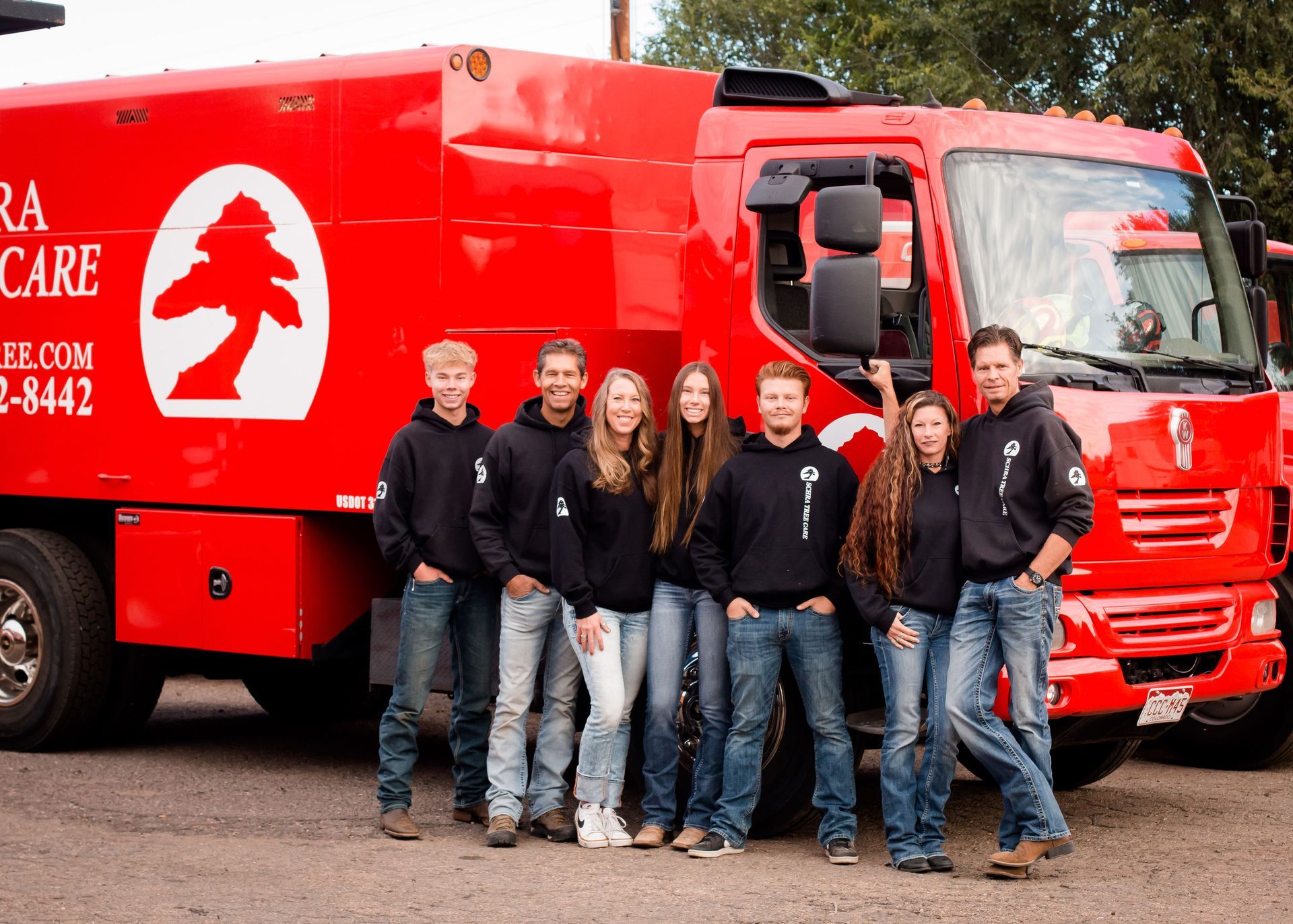
The best way to know whether tree removal or treatment is right for your tree is to have a certified arborist take a look. Schra Tree Care provides tree removal and Tree Health Services for Fort Collins, CO, residents and surrounding communities, helping property owners make informed decisions based on the actual condition of each tree. Whether your tree needs to come down safely or can be nursed back to health, the right guidance makes all the difference.
To schedule a free consultation, visit the
contact page or learn more about available options on the
tree removal service page. You can also find
Schra Tree Care on Google to read reviews from neighbors across Northern Colorado.